All Categories
Featured
Table of Contents
For cool-season grasses, early fall is best, while warm-season lawns take advantage of late spring rejuvenation. In the video above, Cook completes this job during Oregon's mild, misty weather, which offers exceptional conditions for grass development. Follow these actions to bring your lawn back to life. Begin by cutting your yard to a height of 1-and-1/ 2 inches.
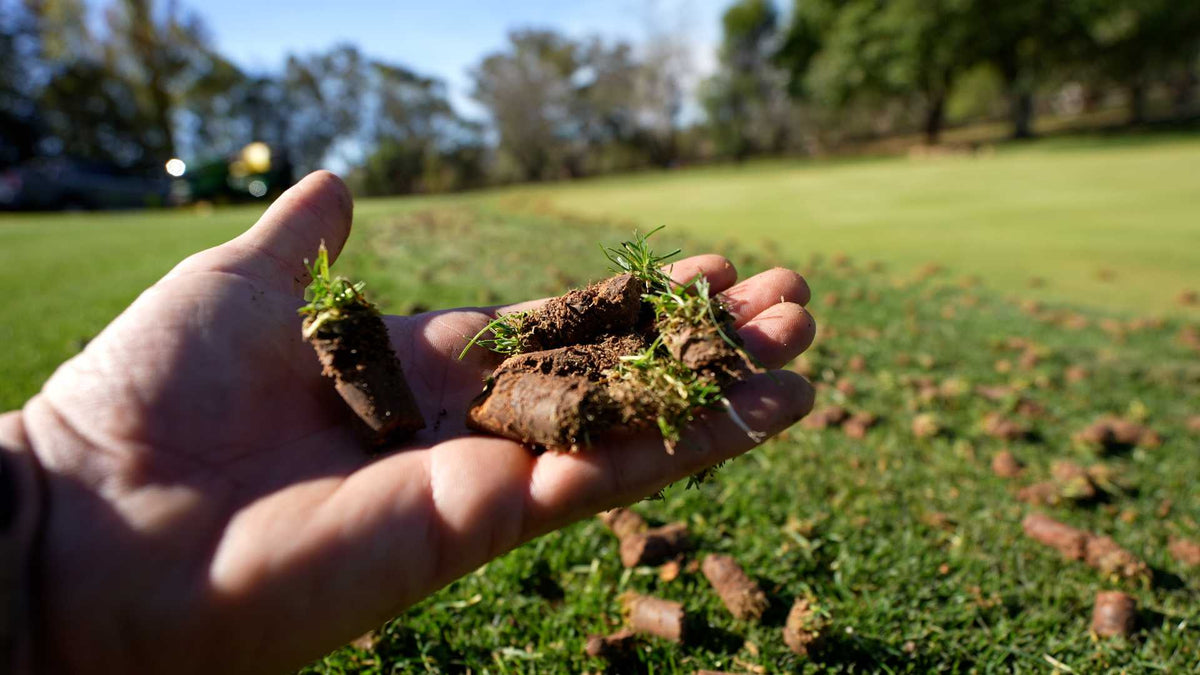
Gather the turf clippings to avoid smothering the lawn. Next, utilize a dethatcher to eliminate dead yard and thatch. This process opens up the yard, allowing air, water, and nutrients to reach the soil more easily. Rake up and eliminate the thatch pulled from the yard. Utilize a gas-powered core aerator to create small holes throughout the yard.
Roger Cook, This Old House landscape contractor, explains the mechanics: "The gas engine drives these spikes down into the ground. As they revolve, they enter into the ground, come out, and they pull out a casting, a piece of dirt, and it lays on the surface area really leaving a hole in the lawn.
Compost adds nutrients and enhances soil structure. Conduct a soil test to evaluate the physical structure and nutrient content of your soil.
How to Improve Turf Health Naturally
Utilize a broadcast spreader for even circulation. Overseed the yard with new turf seed. Cook advises utilizing a blend of lawn seeds and applying it at a rate of about 7 pounds per 1,000 square feet. Use the back of a leaf rake to work the seed gently into the soil.
This regular, light watering promotes seed germination and facility. Seasonal ryegrass will germinate in five to seven days, with other grass types taking slightly longer. Roger Cook, This Old Home landscape professional, encourages: "Usually, provide grass seeds a 5-minute shower 2 or 3 times a day. Once they sprout, sprinkle them as soon as in the morning for about 20 minutes.
Spread out the topdressing material uniformly throughout the lawn and work it in with a rake. Effective weed management is essential throughout the yard restoration procedure.
Manual for Successful Turf Restoration
Keeping weeds in check throughout the facility phase makes sure that your brand-new lawn can thrive without competition. Preserving the appropriate soil pH is crucial for optimum yard growth. Occasionally test your soil's pH and make changes as needed. Lime can be contributed to raise pH, while sulfur can reduce it.
Here are some pointers to keep your yard looking its best: Aerate and dethatch each year or as needed. Control weeds through appropriate yard care practices and spot treatments.
Be prepared to deal with the following: New yard requires consistent moisture to sprout, while established grass has different water needs. Too much water can trigger root rot in fully grown turf, while too little can avoid new seeds from growing. Changing your watering schedule or using sprinklers created for even coverage can assist handle this balance.
This can lead to unequal yard coverage and wasted effort. To prevent this, think about utilizing seed blankets, straw, or light topsoil to help hold the seeds in location during rainstorms. Even with careful seeding, some locations might grow quicker or more densely than others, resulting in an irregular lawn. This can be due to factors like soil quality, sun direct exposure, or seed circulation.
Weeds can rapidly benefit from the bare areas or thin locations in a rejuvenating lawn, outcompeting young turf. Utilizing a starter fertilizer with pre-emergent weed control or manually removing weeds can assist lessen their spread during this vulnerable stage.
Choosing the Optimal Grass Seed for Bright Yards
A lavish, green yard not only improves the visual appeal of your home however likewise works as an inviting outdoor space for relaxation and leisure. As the gateway to your residence, the condition of your yard plays an essential function in creating a positive impression. A well-manicured yard adds to the overall charm of your residential or commercial property and can even increase its market price.
That's where our lawn restoration guide can assist you. Lawn remodelling goes beyond regular maintenance; it involves a tactical overhaul to attend to existing problems, improve soil health, and improve total strength. Believe of it as a remodeling for your outside space, breathing brand-new life into worn out and lackluster lawns. While routine care includes mowing, watering, and fundamental weed control, remodelling actions up the video game, aiming to correct issues like bare spots, compressed soil, and nutrient deficiencies.
Before diving into the remodelling process, it's important to perform a comprehensive evaluation of your yard's present condition. Understanding the existing problems will assist customize your remodelling strategy to address particular needs.
Recognizing the types of weeds present will assist your weed control technique throughout remodelling. Bare spots: Find areas where the yard is sporadic or missing.
Process for Successful Lawn Renovation
To produce a customized plan for your lawn's dietary needs, carry out a soil test. This analysis offers insights into your soil's pH levels, nutrition content, and natural matter. Comprehending the soil structure assists determine the best fertilizers and modifications needed for optimal plant growth. We suggest the MySoil Pro Load Home Soil Test Package, that includes a probe and two test packages so you can reconsider your soil once you have made changes.
mysoil-starter-pack Related: Define goals: Outline the objectives you wish to attain through the remodelling. Whether it's enhancing the overall appearance, resolving particular issues like bare spots, or boosting the lawn's durability, clear goals will direct your renovation technique. Think about long-lasting sustainability: Think beyond instant cosmetic changes. Think about how your remodelling can add to your yard's long-term health and sustainability.
Think about the costs related to buying quality lawn seeds or sod, fertilizers, soil changes, and any necessary equipment like aerators or spreaders. Additionally, factor in the possible expenditure of expert services or specialized tools if your project requires them. While it may be tempting to cut corners to decrease costs, buying premium seeds, fertilizers, and soil modifications is important for the long-lasting success of your yard.
A properly maintained yard often needs less upkeep and restorative procedures over time, potentially reducing future expenses. Research study turf types well-suited to your area, thinking about factors like temperature, sunlight, and soil conditions.

Table of Contents
Latest Posts
Promoting Sustainable Lawn Health Using Organic Practices
Is Your Soil Strong Enough for Grass?Strategic Lawn Restoration Secrets for Success
Promoting Sustainable Lawn Health Through Natural Practices
Latest Posts
Promoting Sustainable Lawn Health Using Organic Practices
Is Your Soil Strong Enough for Grass?Strategic Lawn Restoration Secrets for Success
Promoting Sustainable Lawn Health Through Natural Practices