All Categories
Featured
Table of Contents
Regularly examine the lawn for actively growing weeds, in addition to newly germinated weed seedlings. Weed species tend to be found in particular habitats, so keeping an eye on for a specific weed must be based on knowledge of its biology. Crabgrass is a spring annual that needs light to germinate.
Mid-summer would be an excellent time to look for mature plants to determine seed sources for the list below year. Late fall would be the finest time to look for seedlings of winter annuals such as henbit or annual bluegrass. Yearly grassy weeds such as crabgrass, goosegrass and foxtails are considered significant weeds because they can effectively take on yards and can significantly decrease lawn density in a single season.
To be effective, this herbicide should be used in early spring prior to weed seed germination. Dandelions prevail in home yards, especially where the yard is thin or trimmed too brief. One method to remove them is to exhaust their saved energy. To do this, cut as much of the dandelion roots as possible start in early spring, immediately after they have actually leafed out.
Why Your Lawn Needs Healthy SoilKey Steps for ImprovingYour Lawn DensityThe root will send up new growth till the plant runs out of energy. As with the rest of organic yard management, using sound cultural practices is very important to decreasing weed issues. A list of the most essential cultural practices follows: Cutting at 2.5 to 3 inches for the cool-season turfs will keep the lawn thick and prevent weed seed germination.
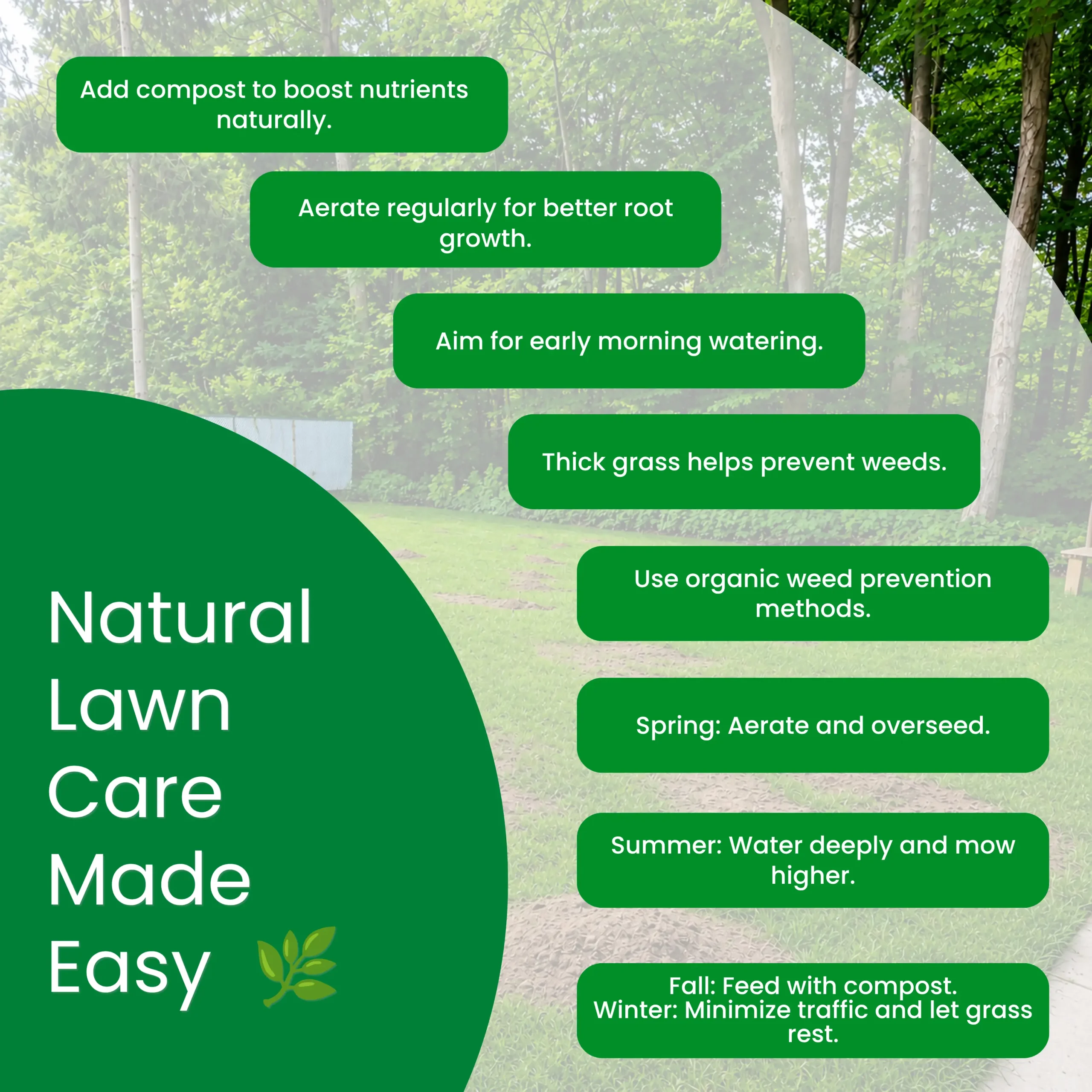
High mowing will maintain turf crowns and leaves for photosynthesis and eliminate weed flowers and seed heads. Frequent, shallow irrigation prevents root development and can encourage weed seed germination.
Why Your Lawn Needs Healthy SoilKey Steps for ImprovingYour Lawn DensitySimple Ways to Organic Lawn Restoration
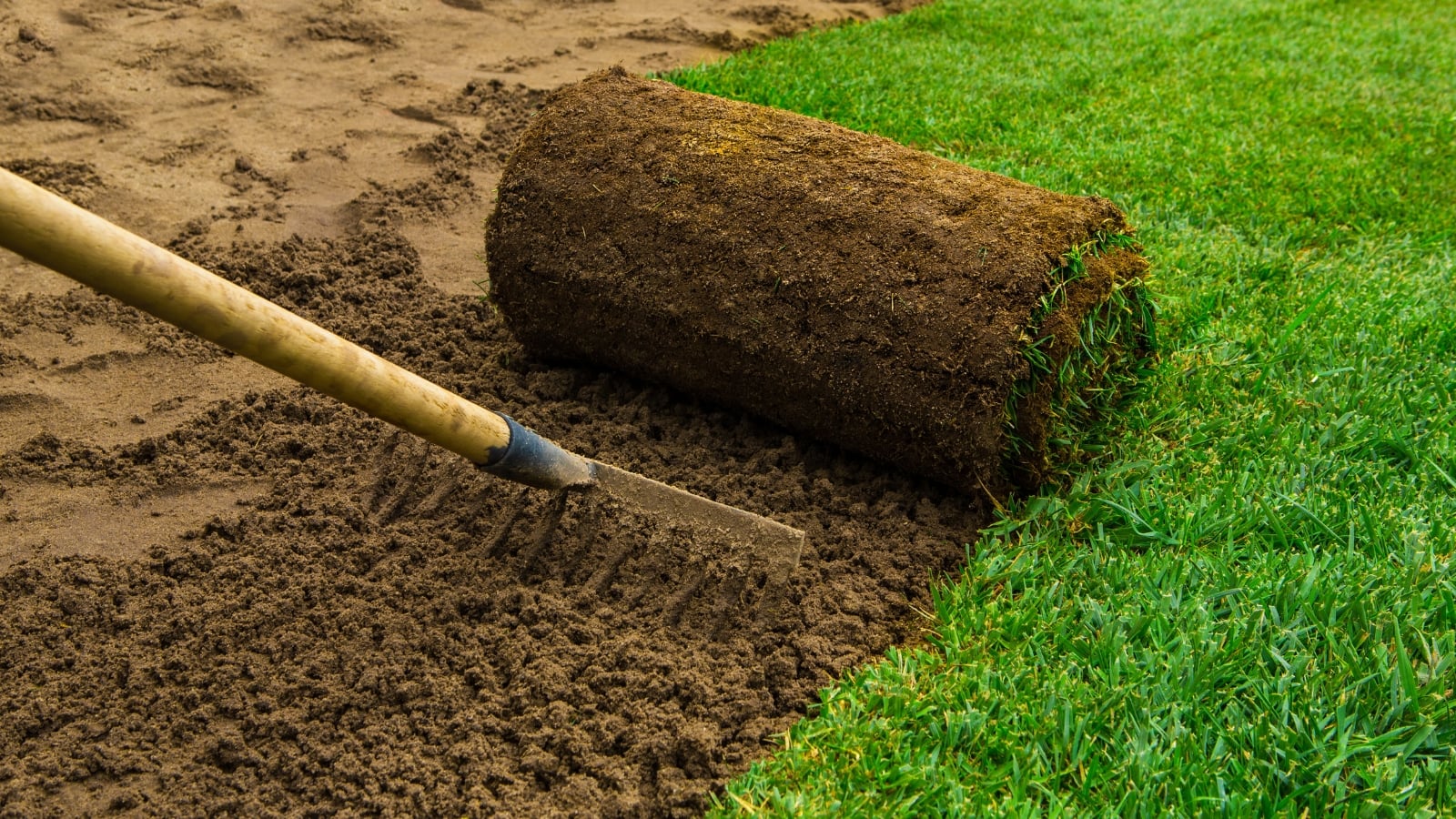
Remodel chronically thin lawns to regionally adapted species and cultivars. Fall is the finest time to do this for cool-season yards. Do not seed when utilizing corn gluten meal.
Herbicidal soaps work by contact and will not affect underground plant parts. They can be rather efficient against annual weeds, however are not as reliable against perennial weeds with extensive root systems; plants will likely regrow from their root systems. Herbicidal soaps can be reliable against small yearly and biennial weeds such as typical chickweed, identified spurge and crabgrass.
Due to the fact that herbicidal soaps are non-selective, they can negatively affect desirable plants as well as weeds. The proteins in the corn gluten act on germinating seeds to hinder root development.
Corn gluten also includes 10 percent nitrogen by weight, and has a slow-release fertilizing result when applied to home yards. If used at the rate of 20 pounds per 1,000 square feet, this likewise efficiently uses 2 pounds real nitrogen (N). Research study reveals that 50 to 60 percent weed control can be attained in the first year when corn gluten is used at 20 pounds per 1,000 square feet; 80 to 85 percent in the 2nd year; and over 90 percent control by the 3rd year.
The very best time to use corn gluten is soon after the last spring frost and once again in the fall. Water following the application if there is no rain, then enable the location to dry for two or 3 days. A dry duration following application is required for corn gluten to efficiently eliminate emerging weed seedlings.
Methods to Improve Lawn Soil Nutrients Naturally
A corn gluten application can prevent yard seed germination, so avoid utilizing this product if reseeding or overseeding a location of the yard. Elements to think about in the use of corn gluten consist of: 1) expenditure; 2) your understanding of weeds and their life process, due to the fact that it should be used in a 4- to six-week period prior to weed seed germination; and 3) perhaps irregular outcomes, because extreme wetness and microbial soil activity can reduce its efficiency.
Chelated iron is an active ingredient (Carnival) that provides control for broadleaf weeds in the lawn. Other items (such as A.D.I.O.S) have salt as an active ingredient and offer broadleaf weed control. Other tools readily available for weed management that you might wish to check out include flame weeders, hot water weeders, flameless radiant heaters and soil solarization for big weedy locations.

Table of Contents
Latest Posts
Promoting Sustainable Lawn Health Using Organic Practices
Is Your Soil Strong Enough for Grass?Strategic Lawn Restoration Secrets for Success
Promoting Sustainable Lawn Health Through Natural Practices
Latest Posts
Promoting Sustainable Lawn Health Using Organic Practices
Is Your Soil Strong Enough for Grass?Strategic Lawn Restoration Secrets for Success
Promoting Sustainable Lawn Health Through Natural Practices